Your Trusted partner for procurement of Premium Materials & Engineering Solutions for Modern Infrastructure from INDIA.
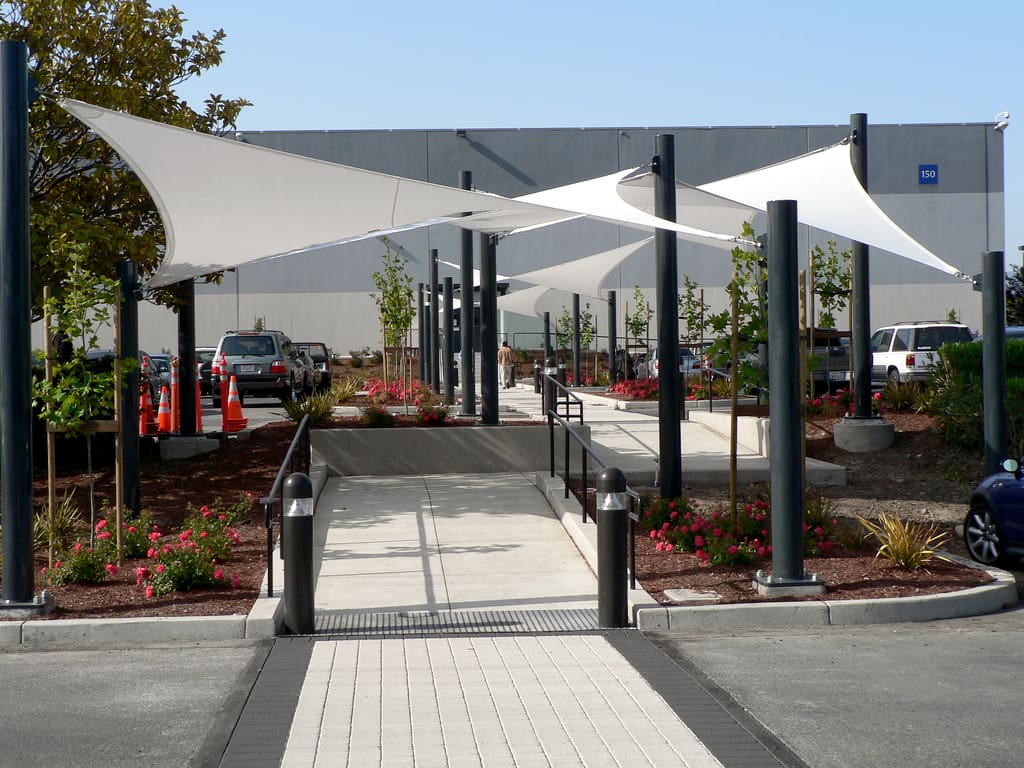
End‑to‑end design, fabrication, and delivery of high‑performance tensile membrane solutions tailored to your project requirements.
We use High Quality Materials suiting your project specifications and project budget.
Tensile Fabric Thickness: 500 GSM – 1200 GSM
Materials: PTFE, ETFE sourced from globally leading manufacturers.
India being self-reliant and leading in terms of Metal manufacturing our metal components are of high quality, durable and yet cost-effective.
Summary:
• Tensile fabric structure manufacturing
• PTFE tensile structure supply
• Architectural membrane fabrication
• Tensile canopy for infrastructure projects
• ETFE roofing solutions
We have extensive experience with Tensile structure solutions for both private and public infrastructure.

Metro, Railway Stations, Airports, Bus terminals, Ferry Terminals

Walkways Plazas Parks Arena

Stadiums, Tennis Courts and Pitches, aquatic facilities

Hotels and Resorts Shopping complexes Marketplace Exhibitions and Expos
We align with your project sourcing and execution approach….
For architects, EPC contractors, and engineering firms who already have a design:
You have a concept but you need:
For aging tensile structures requiring:
– Membrane replacement
– Steel refurbishment
– Upgrading to higher performance materials
For your government or corporate clients:
– Standardized tensile solutions
– Repeatable designs
– Multi-location fabrication and delivery
Tensile fabric structures are engineered membrane systems tensioned over steel or cable frameworks to create lightweight, durable, and architecturally flexible roofing or shading solutions. They are widely used in construction and infrastructure projects requiring large, column‑free spans and rapid deployment.
We work with architectural‑grade membranes such as PTFE‑coated fiberglass, PVC‑coated polyester, ETFE foil, and HDPE mesh. Each material offers different performance characteristics in terms of durability, translucency, fire rating, and cost.
Depending on the membrane type and environmental exposure, tensile fabrics typically last between 15 and 30+ years. PTFE and ETFE offer the longest service life, while PVC membranes provide a cost‑efficient mid‑range lifespan.
Yes. Modern tensile membranes are engineered for long‑term structural performance and comply with international building codes for fire safety, wind loads, and snow loads.
Architectural membranes are engineered to handle extreme wind, snow, UV exposure, and temperature variations. Performance depends on proper engineering, material selection, and compliance with local codes.
Tensile structures require minimal maintenance. Periodic cleaning, tension checks, and routine inspections help maintain appearance and extend service life.
Yes. Most architectural membranes meet international fire classifications such as NFPA, EN, and ASTM standards.
Absolutely. We design and fabricate structures based on project‑specific requirements including geometry, load conditions, translucency, color, and integration with existing infrastructure.
Our solutions are used across construction and civil‑infrastructure sectors including transportation hubs, public spaces, commercial developments, industrial facilities, and large‑scale shading applications.
Timelines vary by complexity, but tensile structures generally offer faster turnaround due to prefabrication and lightweight components. We provide clear schedules during the design phase.
We typically require site location, intended use, approximate dimensions, load requirements, architectural drawings (if available), and any design preferences.
Many membranes are recyclable and support energy‑efficient design through natural daylighting and reduced material usage compared to conventional roofing.
Yes. We offer complete end‑to‑end solutions including concept design, structural engineering, membrane fabrication, steel fabrication, and delivery.
Warranty terms vary by material and project scope, typically covering membrane performance, structural components, and fabrication quality.

 INDUS WORLDWIDE